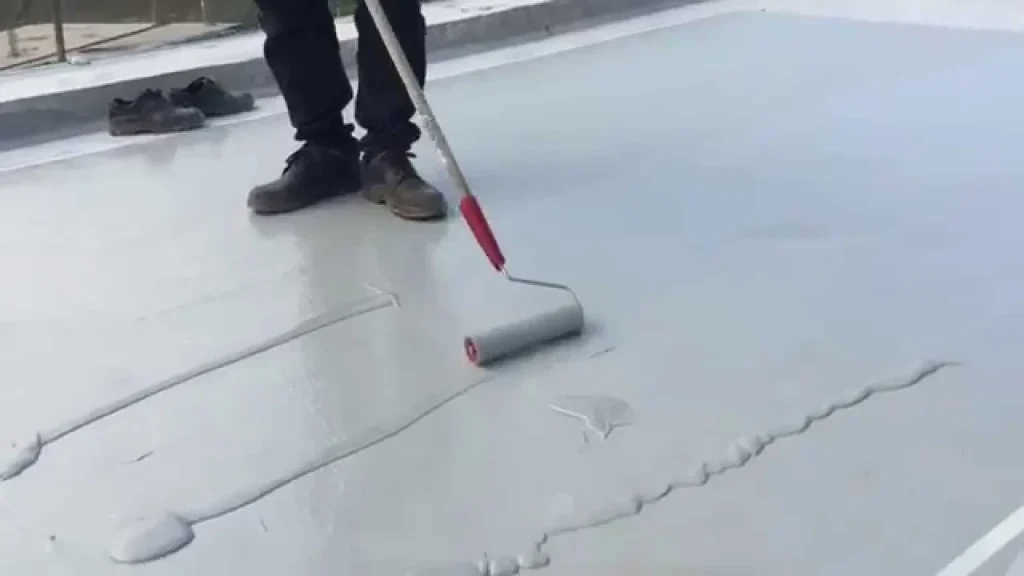
The day after a storm, one side of a warehouse roof may be dry while water still covers a low spot near a drain. That difference matters when specifying roof coating in Maryland. Silicone and acrylic systems can protect suitable commercial roof surfaces, but their tolerance for standing water and the conditions they need during application vary by product. Before comparing proposals, find out where water lingers, identify the existing membrane, and check for moisture below it. Those observations help determine which coating can work and if the roof is a candidate for coating at all.
Drainage Conditions Narrow the Choice of Coating
A roof that sheds water promptly can be a candidate for water-based acrylic if the substrate is compatible and the forecast allows the material to cure. For commercial roof coating in Maryland, compare conditions on the roof itself with the product data sheet. A shaded section can stay damp well after a sunnier section has dried.
Some silicone formulas tolerate ponding water when used under the manufacturer’s stated conditions. During the initial drainage review, first establish why the water remains. An obstruction at the outlet calls for a different correction from a low spot in the roof deck. A product’s ponding rating informs material selection after drainage problems have been evaluated.
The Existing Assembly Determines What Can Stay
Before pricing commercial roof restoration in Maryland, have a qualified crew investigate areas with recurring leaks, soft spots, or signs of trapped moisture. A topcoat can leave wet insulation concealed beneath a fresh surface. The inspection should identify which materials can remain and where the assembly needs to be opened or replaced before work moves forward.
On a roof with multiple additions, a coating project may involve more than one substrate. Angelo & Son Roofing LLC describes reviewing membrane condition and compatibility before application. A roof plan showing the boundaries between membranes, prior repairs, and older coatings helps a crew select representative locations for adhesion testing and determine if different preparation is needed.
Test Patches Show How the Existing Finish Bonds
For a membrane with an unknown finish, ask where the contractor will run adhesion tests and how the results will affect the proposal. A result on a clean stretch of membrane may say little about an older patch or a chalking coating nearby. Testing representative areas gives the team evidence for choosing a primer and setting preparation requirements.
When preparing for commercial roof restoration in Maryland, review the points where the waterproofing changes direction or meets another material. The written scope should identify the repairs around drains, curbs, and walls by location. The team can then verify the condition of those details before they are concealed by the new system.
- Mark drainage outlets and the edges of standing water on a dated roof plan.
- Record membrane changes where extensions meet the original building.
- Photograph old repairs and worn access routes before surface cleaning begins.
Cure Time Shapes the Sequence for Commercial Roof Coating in Maryland
Weather can change the order of application even when the roof is ready. The coating data sheet sets the limits for application, drying, and recoating. Ask how the supervisor will check surface conditions before work starts and how much roof can be prepared and coated within a suitable window.
Regular traffic also affects the plan for surface protection. Service technicians may need to cross the roof to reach equipment while sections are curing. Confirm the route and timing with the maintenance team, and ask the roofing contractor if the specified system needs compatible walkway protection near hatches or busy equipment curbs.
Records and Equipment Details Support Commercial Roof Restoration in Maryland
A proposal for commercial roof coating in Maryland should account for the equipment that stays in operation. A condensate line that discharges across a planned work area can undermine surface preparation. Map the discharge points and agree on any temporary changes with the appropriate trade before coating crews begin work near the equipment.
After the work is complete, keep photographs of the completed details and a record of the products installed in different roof areas. If a leak or worn patch develops later, the next crew can use the record to identify the underlying surface and check which repair materials are compatible with the existing finish.
A Marked Roof Plan Guides Roof Coating in Maryland
Review the proposal for the coating work against the annotated roof plan. Confirm that the repairs, test locations, and areas excluded from coating are plainly identified. If the roof has zones that drain and dry differently, compare the recommended treatment for those zones before agreeing to a single system across the building.
Before approving the proposed system, compare the specified coverage and inspection steps with the manufacturer’s instructions. Confirm who will document the surface preparation, the conditions at application, and the checks on film thickness. These records allow the owner to distinguish a coating proposal with defined acceptance criteria from one that gives only an area and a product name.
Match the Finish to the Roof That Remains
Start with the existing membrane. Angelo & Son Roofing LLC lists both silicone and acrylic options and evaluates roof condition before recommending a coating. A property manager can use the survey to discuss which sections drain freely, where water lingers, and which details should be repaired before a finish is specified.
If the survey identifies localized damage, Angelo & Son Roofing LLC lists patch and coat systems for suitable roofs. The useful scope names the perimeter details, drains, and earlier repairs that need attention and identifies the coating proposed for the prepared surface. The repair map belongs alongside the product specification.
Frequently Asked Questions
1. Can coating color affect rooftop heat absorption?
Yes. A reflective finish may reduce heat absorption. Consider the product’s published reflectance and the building’s insulation before estimating any effect on cooling demand.
2. Can crews coat around a roof leak?
Sometimes. The entry point and any wet materials need assessment first. The repair scope should address those findings before coatings are applied.
3. Do silicone and acrylic need identical primers?
No. Primer requirements depend on the product, existing surface, and test results. Follow the current instructions for the proposed coating system.
4. Does a coating cover damaged flashing by itself?
No. Flashing may need repair or replacement before application. Include curbs, walls, and other transitions in the preparation scope and inspection.
5. Can a coating be maintained in sections?
Sometimes. Localized work depends on compatibility with the cured finish and the nature of the damage. Record the original product and previous repairs.